Illustrate — books, print-ready
Talk a book into existence.
Plan the story and cast the characters for free. Then direct the art in plain language, letter the pages, and export a PDF at 300 DPI with the trim, bleed and margins a printer asks for.
Open your library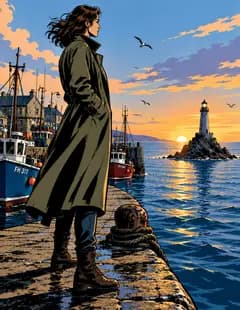
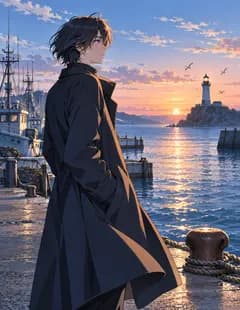
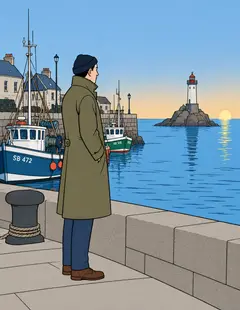
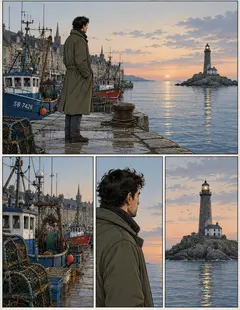
Develop my idea
Start from an idea.
Pick a format and describe the book. Nothing here spends a credit or needs an account.
Step 1: Choose a format
It sets the trim, the page count and how lettering works.Step 2: Describe the book
A paragraph is plenty. You can edit every word afterwards.Planning by hand is free. Writing and artwork spend credits, and every button that spends shows what it costs before you press it.
What Illustrate does
Planning is free
Story, cast, world and storyboard cost nothing. Credits are spent on writing and artwork, and every button that spends one says so first.
One face, every page
Each character is drawn against a locked reference sheet, and a series carries its cast, its world rules and the continuity you approved into the next book.
Print-ready, and checked
Trim, bleed, gutter and spine computed from your page count. Nothing exports below 300 DPI, with text in the gutter, or with an odd page count.
See the look before you commit.
Real samples, with the same scene drawn in every style, so the only thing that changes between two tiles is the style itself.
Comic books
Panel-to-panel action, bold ink and a cover that has to work at thumbnail size.
Modern American
Bold inks and flat colour. The look of a contemporary superhero or action book.
Cel-shaded anime
Full-colour anime linework and crisp cel shading. Expressive and cinematic.
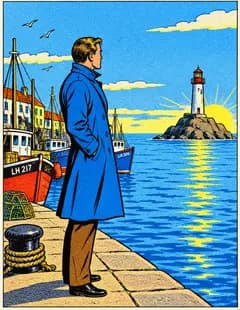
Silver age
Bold outlines and bright primaries. Retro superhero.
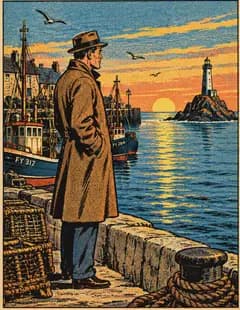
Retro pulp
Mid-century newsprint. Halftone dots and a limited palette.
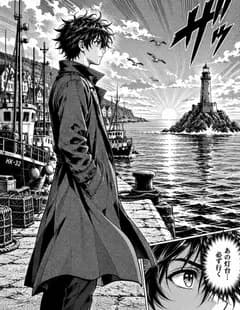
Shonen manga
Black and white manga. Screentone, speed lines, big expressions.
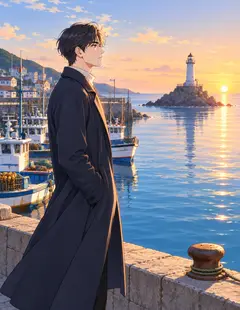
Webtoon
Clean digital colour and polished characters. Romance, fantasy and action.
See all 33 comic book styles — every one of them drawn in this same scene.
Graphic novels
Long-form and read in one sitting. Quieter pages, more room for the drawing to carry the scene.
Ligne claire
Franco-Belgian album art. Even lines, flat colour, no shadows.
European album
Precise linework over detailed worlds. Adventure and historical bande dessinée.
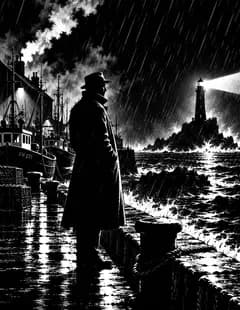
Noir
High-contrast black and white. Rain, shadow and hard light.
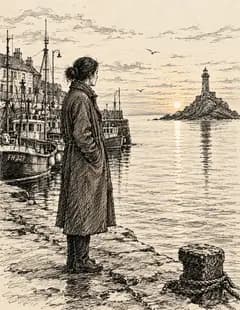
Indie pen and ink
Loose, hand-drawn and personal. Autobiographical comics.
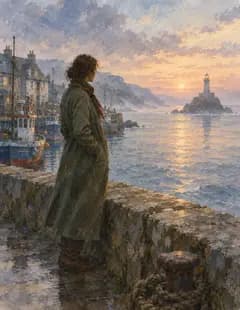
Painted
Watercolour and gouache. The literary graphic novel look.
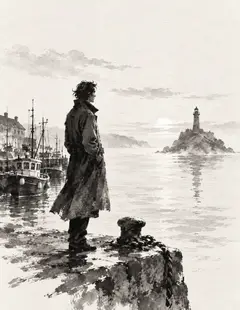
Ink wash
Brush and diluted ink. Samurai, noir and the literary end of black and white.
See all 33 graphic novel styles — every one of them drawn in this same scene.
Colouring books
Closed black outlines on white, no grey fill, nothing that falls apart under a pencil.
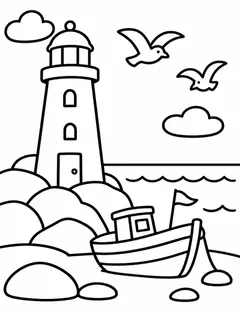
Bold and easy
Thick lines, large spaces and relaxed scenes. Beginner- and marker-friendly.
Story scene
Characters doing something, in a place. The middle ground.
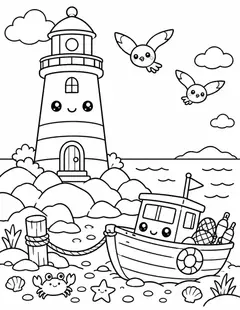
Cute and cozy
Rounded characters, everyday comforts and friendly detail.
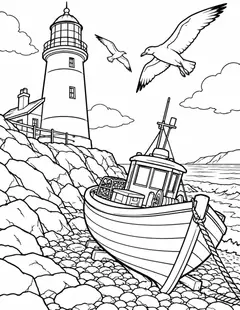
Comic adventure
Comic-book drawing with the blacks left out, ready to colour.
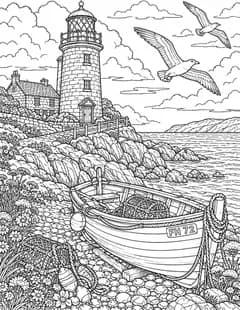
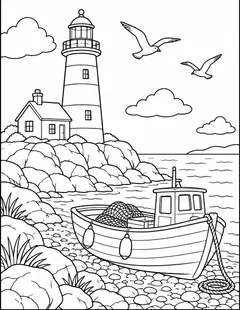
Intricate
Fine, dense linework. Adult colouring.
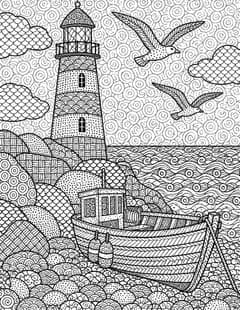
Zentangle
Dense repeating pattern filling every shape.
See all 16 colouring book styles — every one of them drawn in this same scene.
Written as art direction, never as an artist to imitate.
In the order it happens to a book
Develop
Start from an idea. Shape the premise, the cast and the world before a single page is drawn.
Storyboard
Lay out every page and panel. Move beats around freely; none of it costs a credit.
Draw
Direct the art in plain language. Characters hold to their reference sheets from the first page to the last.
Letter
Balloons, captions and sound effects set on the page, kept clear of the gutter.
Export
A PDF with trim, bleed, gutter and spine already applied, checked before it leaves.